All Case Studies
E-commerce Website Re-design

Toni's

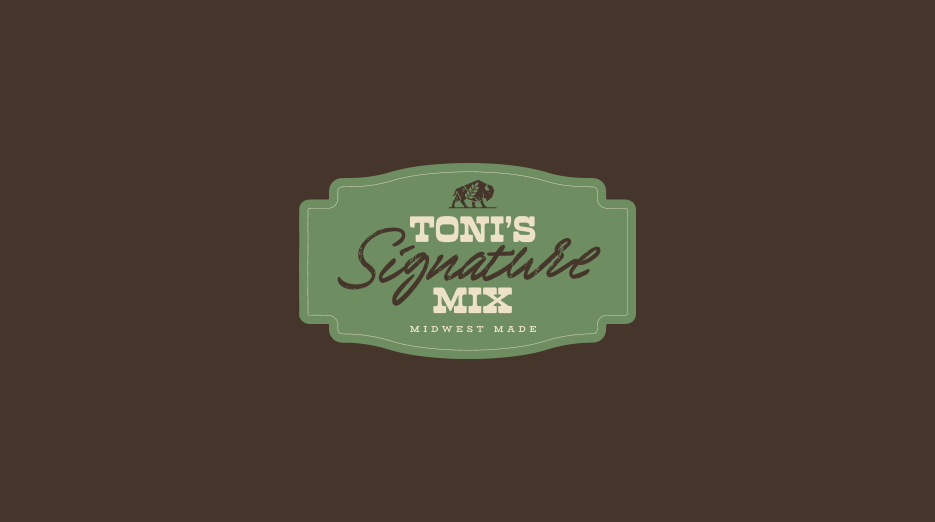
Final Design

Strategy

A comprehensive brand overhaul designed to transform a traditional family recipe into a premium market contender. We focused on a visual narrative that balances nostalgic “homemade” cues with a sophisticated, modern aesthetic, ensuring the product resonates with quality-seeking consumers while honoring its 20-year heritage.

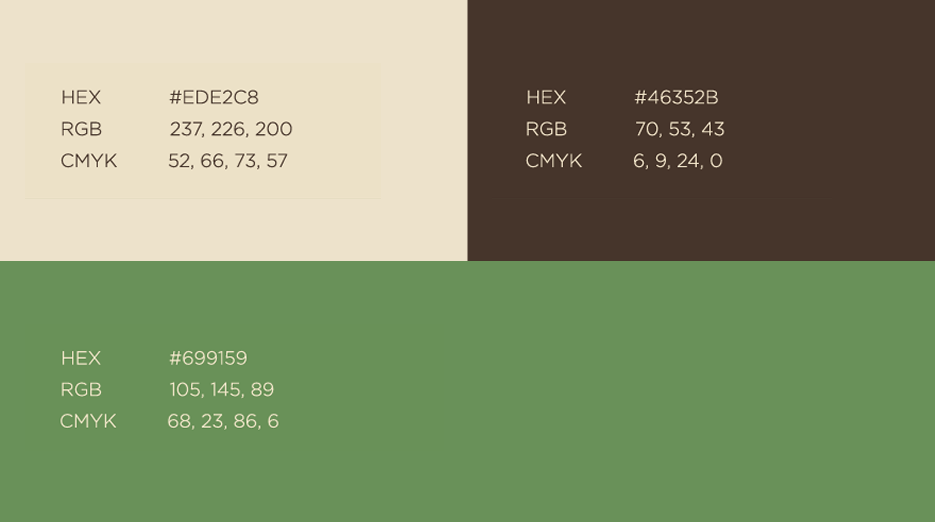
Colors

HEX and RGB color values correspond to those used in digital environments.
On the other hand, CMYK values are intended for physical printing. Unlike the PANTONE system, they do not guarantee exact color reproduction.

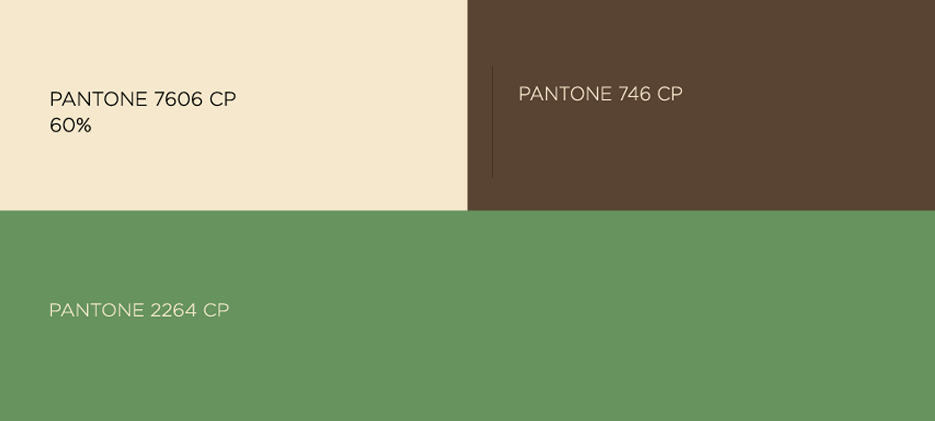
Pantone

The PANTONE colors presented correspond to the closest matches to the digital color references, enabling high-fidelity color reproduction in printing processes, especially for large-scale packaging production.
Unlike the CMYK system, PANTONE colors provide greater consistency and do not present significant variations once printed, as they are based on pre-mixed spot inks.


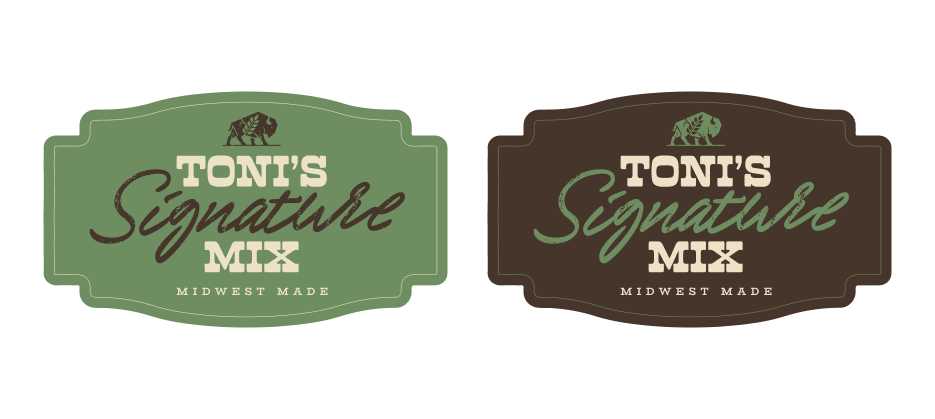
Pimary Logos

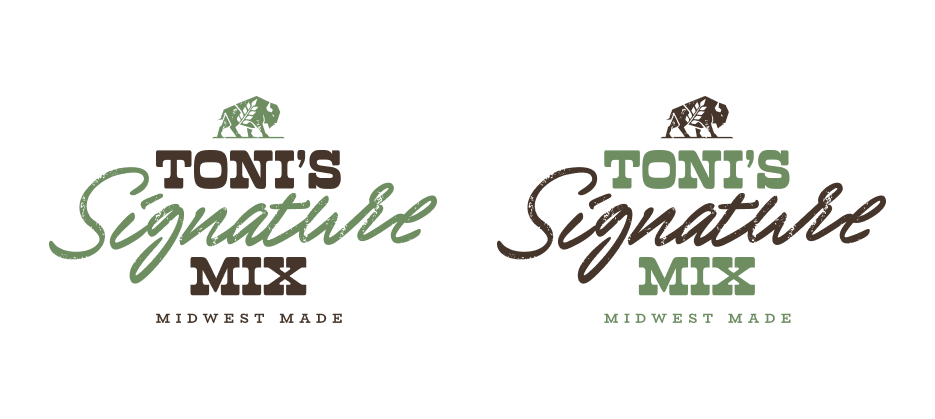
The 3-color primary logos represent the main version of the brand and should be used predominantly across most graphic applications, as they express the identity in its most complete form.
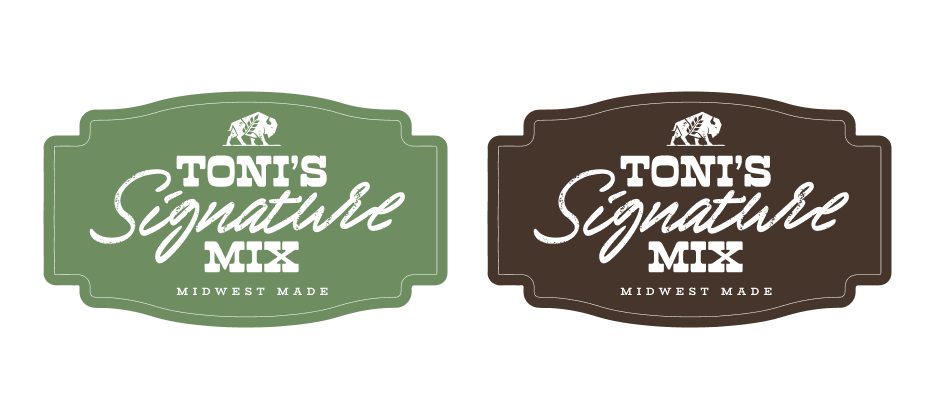
The 2-color primary logos function as secondary versions and are mainly intended for digital use, especially when the logo is placed over backgrounds that do not belong to the brand (such as in collaborations with other brands). These versions ensure proper legibility and prevent background interference with the logo’s clarity.
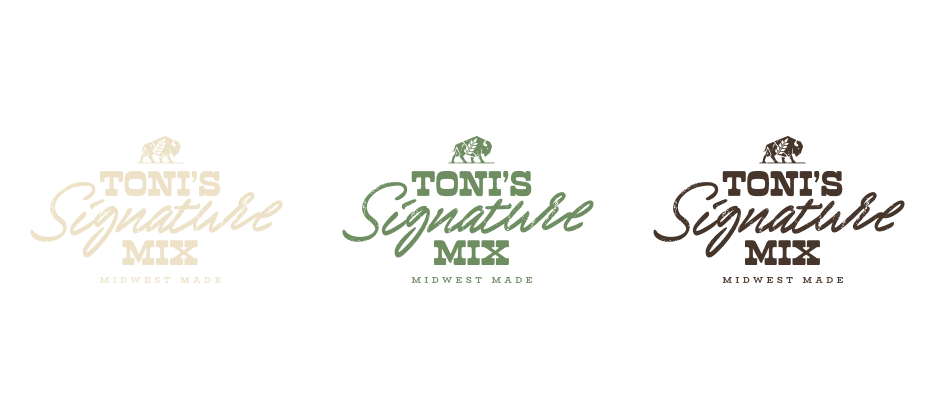
The 1-color primary logos are secondary versions designed for applications where single-color printing is required, typically due to production or budget constraints. In these cases, white is not considered a color, as it represents the substrate background.

Secundary Logos

The 2-color secondary logos are designed for applications where the logo is used in reduced spaces and over light backgrounds. In these cases, it is essential to ensure clear legibility of the “MIDWEST MADE” text. If readability is compromised, the tertiary logo should be used instead. This version may also be applied when the badge does not perform well aesthetically, depending on the designer’s judgment.
Secundary logos
Secundary logo
The 1-color secondary logos are single-ink versions intended for use in small spaces or on backgrounds that do not belong to the brand. These variations allow for stronger contrast and provide flexibility for aesthetic decisions within production constraints.

Terciary Logos

The 2-color tertiary logos are designed for use at very small scales, where the “MIDWEST MADE” text becomes illegible. For this reason, this version removes the text and focuses on preserving the brand’s visual identity in reduced spaces.
The 1-color tertiary logos serve the same purpose in terms of scale and simplification but are intended for single-ink applications. They are ideal for use on non-brand backgrounds, allowing for high contrast and clear visibility without the need for the badge.

Next Case Study

Premium Identity, Proven Results: The Dixie Grace Project
Complete brand identity system
Package design for 3 SKUs
E-Commerce on Shopify
Retailer Pitch Deck
Packaging Design

Muze

From Concept to Shelf: The MUZE Success Story